Comet Mechanical Keyboard Review: Typing Feels Like an Upgrade
Mechanical keyboards have come a long way from being a niche enthusiast product to a mainstream must-have for anyone who types for a living. The Comet Mechanical Keyboard enters a crowded market with a simple promise: premium typing feel without the premium price tag. After two weeks of daily use, here’s whether it delivers.
Design and build quality
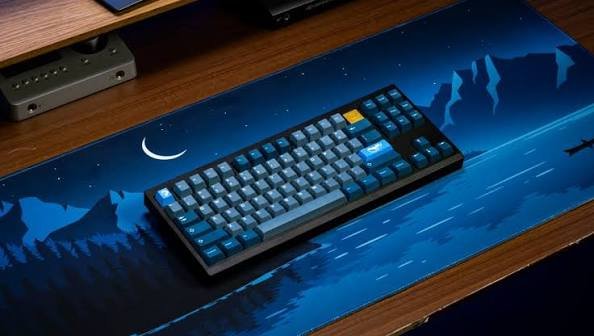
The Comet ships in a compact 75% layout, trimming the numpad while keeping arrow keys and function row intact. The aluminum top plate gives it a reassuring weight on the desk, and the double-shot PBT keycaps resist shine even after heavy use.
At 850 grams, it’s not the lightest board around, but that heft translates into stability during fast typing sessions. There’s zero flex in the frame, even when picked up by one corner.
Typing experience
This is where the Comet earns its keep. The hot-swappable switches let you customize the feel without soldering, and our review unit came with a linear switch that felt smooth from the very first keystroke.
Typing for extended periods felt comfortable thanks to the slight ergonomic angle and included wrist rest. Sound-wise, expect a satisfying thock rather than the sharp clack of cheaper boards.
Software and customization
The companion app is refreshingly simple. Remapping keys, adjusting RGB zones, and saving custom profiles takes minutes, not hours. Advanced users might miss deeper macro scripting, but for most people this covers everything they need.
Battery life and connectivity
The Comet supports both wired USB-C and 2.4GHz wireless connections, with Bluetooth for a third device. Battery life comes in around 40 hours with backlighting on, stretching to over 100 hours with lights off — solid numbers for a board this size.
Final verdict
The Comet Mechanical Keyboard doesn’t try to reinvent the category — it just executes the fundamentals exceptionally well. Solid build, great typing feel, and sensible software make it an easy recommendation for anyone upgrading from a stock keyboard.
Pros: Sturdy aluminum frame, hot-swappable switches, simple software
Cons: No numpad, RGB software could use more presets